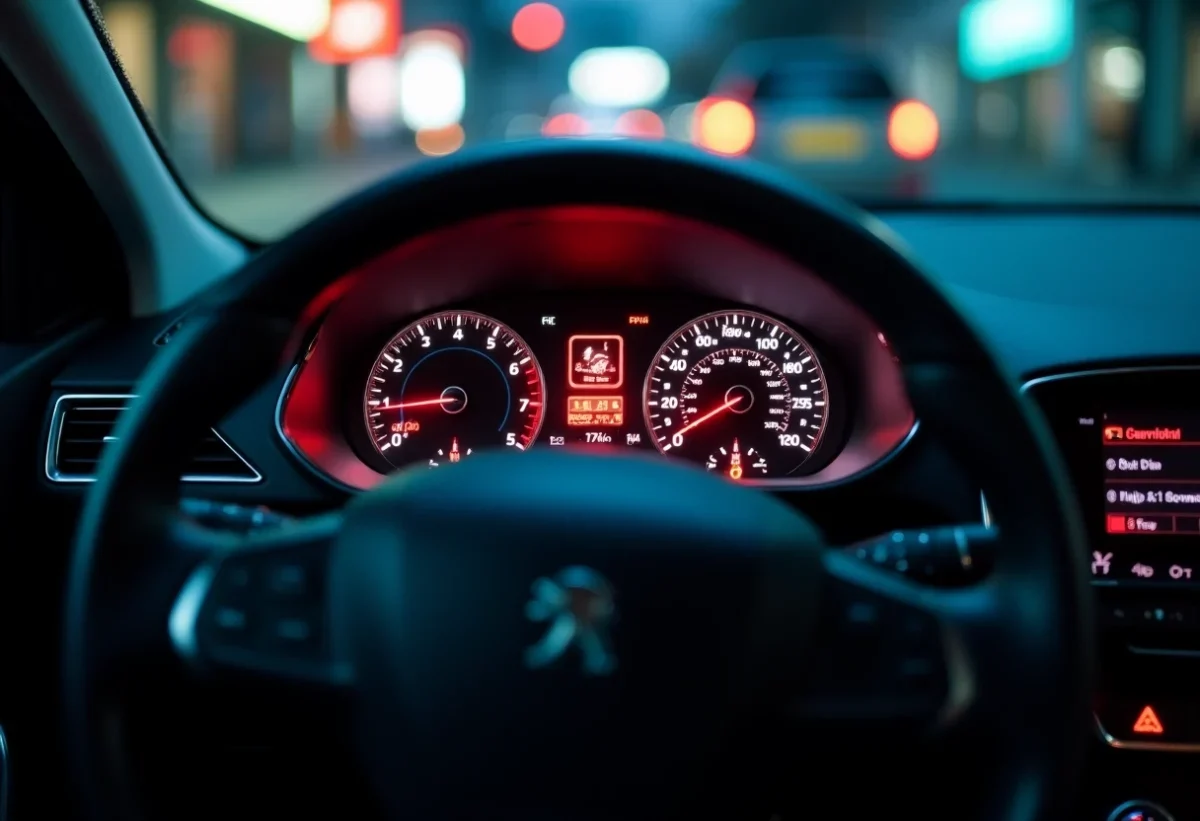
The Peugeot 208, while popular for its sleek design and enjoyable driving experience, can sometimes encounter technical issues. One of the most common is the illuminated check engine light, often a source of concern for owners. This signal can indicate various problems, ranging from a simple sensor malfunction to more serious engine issues.
To resolve this issue, you should start with an accurate diagnosis. An OBD-II diagnostic tool allows you to read the error codes recorded by the car’s system. Once the code is identified, it becomes easier to target the problem, whether it’s a faulty lambda sensor, an ignition coil issue, or a clogged particulate filter.
Why does the check engine light come on in the Peugeot 208?
The check engine light, present on the dashboard of the Peugeot 208, is an essential indicator of the engine status. When it lights up, it signals a potential malfunction that requires immediate attention. Several reasons can explain this alert.
Common Causes
- A poorly closed or defective fuel tank cap. This anomaly is often overlooked but can disrupt the fuel management system.
- A problem with the lambda sensor, which measures the oxygen level in the exhaust gases. A faulty sensor can lead to poor combustion and trigger the check engine light.
- The catalytic converter may also be at fault. This fundamental component of the exhaust system can become clogged or deteriorate, thus affecting engine performance.
Diagnosis and Solutions
To accurately identify the cause of an illuminated check engine light, use an OBD-II diagnostic tool, which will read the error codes. Once these codes are interpreted, you can determine if the problem originates from the ignition coils, the mass airflow sensor, or another component.
Specific Case: check engine light 208 1.2 PureTech
Owners of the Peugeot 208 equipped with the 1.2 PureTech engine are particularly affected by this type of issue. In this case, the check engine light may be caused by a clogged particulate filter or injectors.
The check engine light on the dashboard of the Peugeot 208 can indicate various anomalies, from a fuel tank cap issue to a more serious problem with the engine. Use diagnostic tools and consult a professional to effectively resolve these issues. 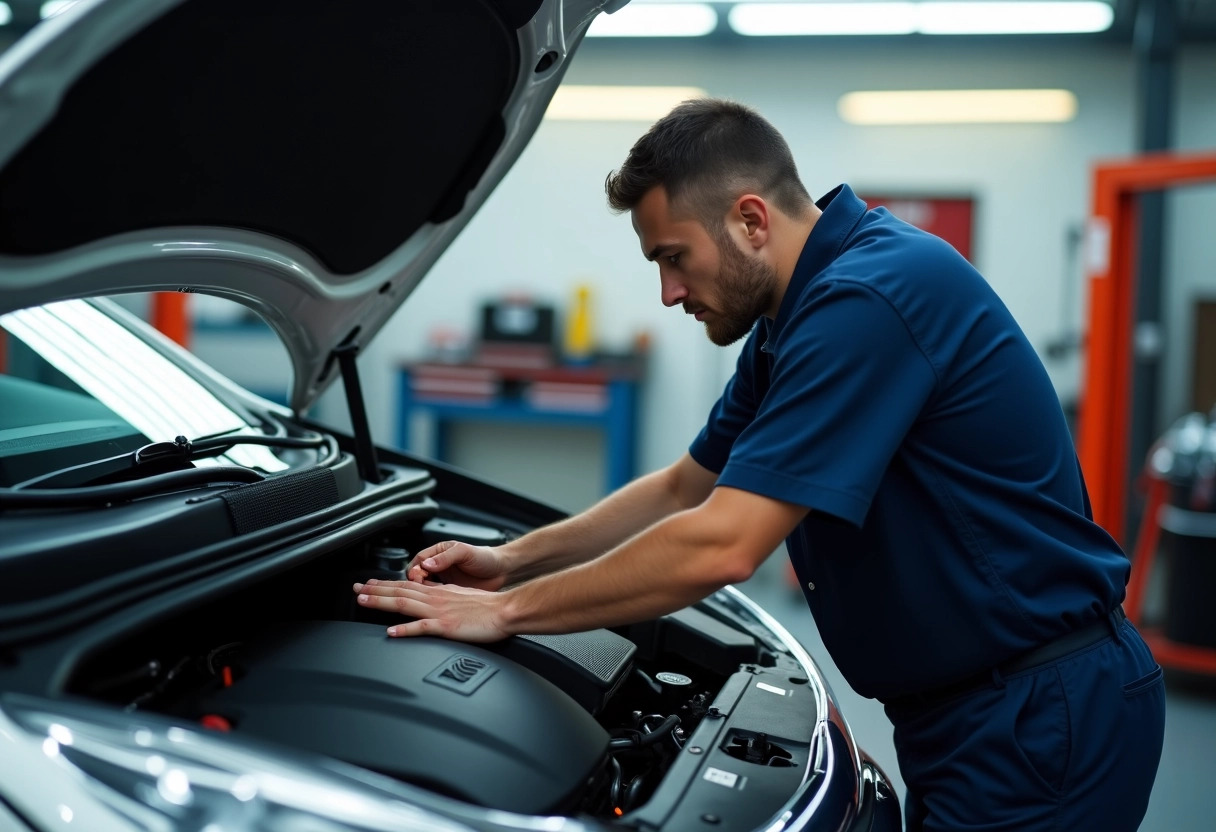
How to Resolve Common Issues with the Peugeot 208
To resolve common issues with the Peugeot 208, particularly those related to the engine, proceed methodically. The initial diagnosis is crucial to identify the precise cause of the problem.
Inspection and Diagnosis
Use an OBD-II diagnostic tool to read the error codes. These codes will guide you to the faulty components:
- Ignition Coils: worn coils can cause misfires. Replace them regularly.
- Lambda Sensor: a faulty sensor can skew oxygen measurements and lead to poor combustion. Check its condition and replace it if necessary.
- Mass Airflow Sensor: a clogged or defective sensor can disrupt the air/fuel mixture. Clean or replace this component.
Preventive Maintenance
Regular maintenance can prevent many problems. Follow the manufacturer’s recommendations regarding oil changes and filter replacements.
| Component | Maintenance Frequency |
|---|---|
| Ignition Coils | 30,000 to 50,000 km |
| Air Filter | 15,000 to 20,000 km |
| Engine Oil | 10,000 to 15,000 km |
Consulting a Professional
For more complex issues, such as those related to the catalytic converter or the EGR valve, consult a mechanic or garage. These experts have the necessary tools to perform thorough diagnostics and carry out precise repairs.
By following these steps, you can effectively resolve common issues with your Peugeot 208 and ensure its longevity.