Logic sometimes gives way to chance: at the Théâtre du Palais Royal, the seating chart holds a few surprises that the discerning spectator will know how to turn into opportunities. Here, a second-class seat proves to be better positioned than a premium seat. There, a last-minute reservation opens up an unexpected viewpoint. Between whimsical numbering, fleeting promotions, and well-kept secrets, choosing your seat becomes an art. Regulars know it: the best experience rarely lies where one expects it.
What to know about the auditorium and the layout of the Théâtre du Palais Royal
Entering the auditorium of the Théâtre du Palais Royal, one immediately feels the mark of centuries. The Italian architecture, U-shaped galleries, plush boxes, open balconies: everything here breathes elegance, polished since 1784. Nearly 716 seats spread across five distinct areas—orchestra, box, loges, balcony, and chicken coop—create a labyrinth of perspectives, prices, and atmospheres. Nothing is linear: at the Théâtre du Palais Royal, the seating arrangement plays the card of the unexpected.
In this theater, the numbering sometimes surprises the uninitiated. Even-numbered seats extend to the stage side, odd-numbered to the garden side, and at the center of the front row lies the Carré Ama, the most coveted area for its subtle balance between proximity, view, and sound quality. The box, perched on the first balcony, offers an ideal dive into the stage. The loges, on the other hand, appeal to spectators seeking discretion, although a side support sometimes restricts their field of vision.
Ascending a level, one enters the lively atmosphere of the chicken coop. Popular ambiance, affordable prices, a sense of togetherness… at the risk of losing comfort and visual acuity. The bathtub, a small projection at the foot of the stage, attracts those who want to keep a bit of distance, while the foyer welcomes the audience before the performance, allowing them to savor the wait in a unique setting.
| Zone | Characteristic | Main Advantage |
|---|---|---|
| Orchestra | Proximity to the stage | Immersion |
| Box | First balcony | Overhead view |
| Loges | Side spaces | Intimacy |
| Balcony | Moderate height | Overall view |
| Chicken Coop | Top floor | Reduced prices |
Each area has its personality, each row its promises. Taking the time to examine the advantages of each space is to offer oneself the first thrill of the show.
Visibility, acoustics, comfort: which criteria to prioritize for a successful experience?
To judge whether an evening will truly be memorable, several criteria come into play. The angle of view primarily depends on the location on the plan. The front rows of the orchestra ensure immersion close to the actors but sometimes truncate the overall view, especially during grand frescoes. The box, slightly elevated, combines optimal distance and readability of the stage. The loges envelop one in discreet comfort but may obscure part of the action depending on the sets adopted by the troupe.
Acoustics also make a difference. The Italian-style auditorium favors good sound diffusion, but each space offers its nuances. Proximity of the orchestra: warmth of voices and responsiveness. Box: natural balance, clarity of dialogues. Balcony: diffuse resonance, ideal when a troupe sings or dances collectively. In the chicken coop, the energy of the room dominates, but sound precision fades a bit as one ascends.
Regarding comfort, a few seats stand out. In the Carré Ama, the seating and central view ensure enjoyment without compromise. Mid-height, the bathtubs reduce fatigue, avoiding neck twists and excessive distance. The choice of a seat deserves to be adjusted to the repertoire viewed: some classic comedies reveal their subtlety from the balconies, while a contemporary creation is often best appreciated in the orchestra. Before booking, consulting the detailed plan proves beneficial to target the perfect area, especially if the play has been staged by Alexis Michalik or Jean-Philippe Daguerre.
Practical tips for finding the ideal seat according to your expectations and budget
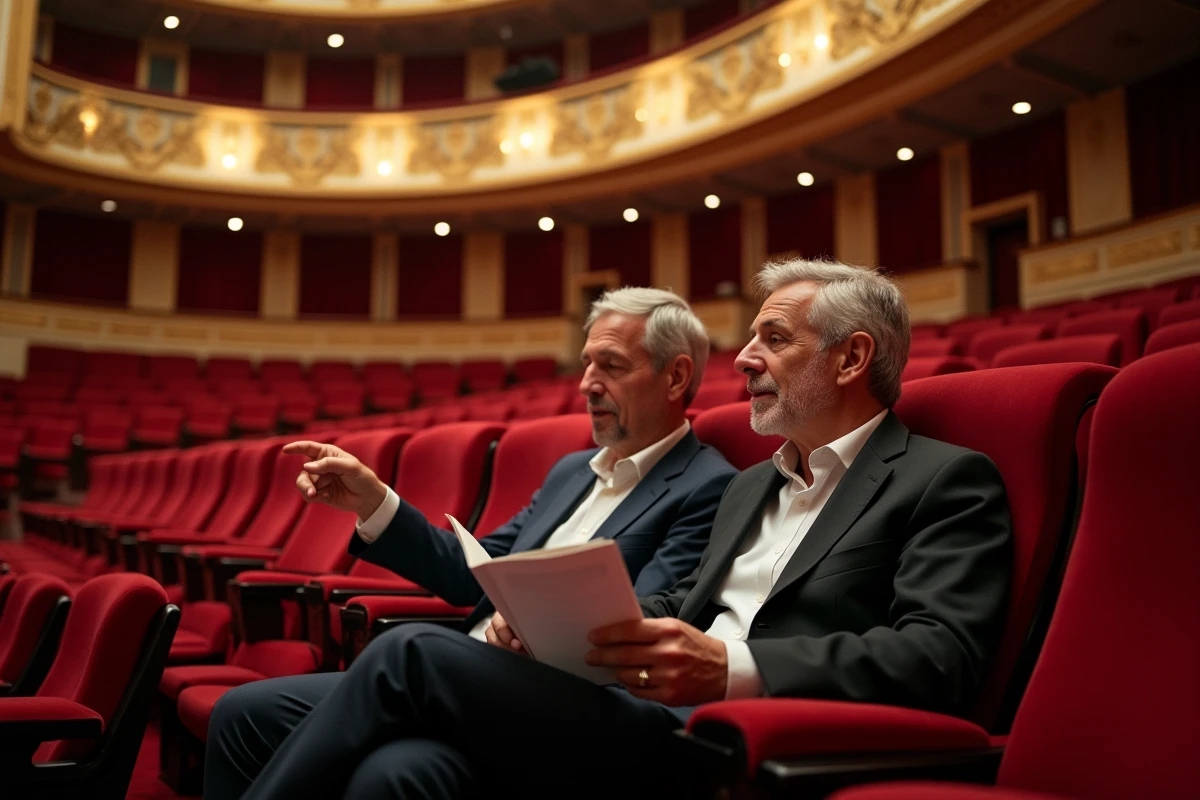
To find the seat that will make a difference, relying on digital resources and the experience of other spectators can be very helpful. The online interactive plan allows for quick identification of all available seats based on their location, category, and angle of view, a valuable ally for visualizing the chosen area in detail. In this regard, there is a guide to choosing the best seat at the Théâtre du Palais Royal, which details these subtleties and helps avoid unpleasant surprises, especially the first time.
Depending on the budget and the moment’s desire, several options are available to you. Here are a few options to consider:
- Look for discounted prices available on the online ticketing for the highest areas, without giving up the magic of the show.
- Opt for the Carré Ama to experience the central setting, with optimal comfort and a direct view of the stage.
- Take advantage of special offers occasionally offered for families, groups, or during youth performances.
Booking online also guarantees payment security and sometimes saves valuable time, avoiding queues at the box office. One detail not to overlook: reviewing the show’s sheet before making a choice. Some directors play with the staging, making certain locations ultra-relevant depending on the play. Revisited classics, explosive creations, choral frescoes… the ideal configuration is never the same.
Entering the Palais Royal is to embark on a unique journey, starting from the seat one has wisely chosen. Next time, take the gamble of curiosity: behind each number, there may be that perspective waiting for you, transforming the performance into a memorable experience.