
The 2026 sports calendar concentrates several major events over a few months, with repercussions that extend far beyond the field. Between the FIFA World Cup in North America, the relocation of the Esports World Cup to Paris, and growth in the French sports market driven by digital, changes are happening on very different fronts. Here’s an overview of the trends and sports news that are shaping this season.
Esports World Cup 2026 in Paris: a geopolitical transfer with massive financial stakes

The Esports World Cup, created in 2024 and previously held in Riyadh, will take place in Paris from July 6 to August 23, 2026. The official reason: the ongoing war in the Middle East and the desire to accelerate the internationalization of the tournament. This relocation transforms Paris into the global capital of esports for nearly two months.
The announced figures highlight the scale of the event: over 2,000 professional players, a record prize pool of $75 million, and more than three million expected visitors. This would make it the most lucrative esports event in history.
To follow all the relevant disciplines and results over the weeks, the news on Bonjour Sportif covers these events in real-time. The open question remains about the legacy: will Paris have sustainable esports infrastructure after the event, or is it just a temporary showcase? No announcements regarding structural investments post-competition have been leaked so far.
FIFA World Cup 2026: how streaming is redefining sports broadcasting
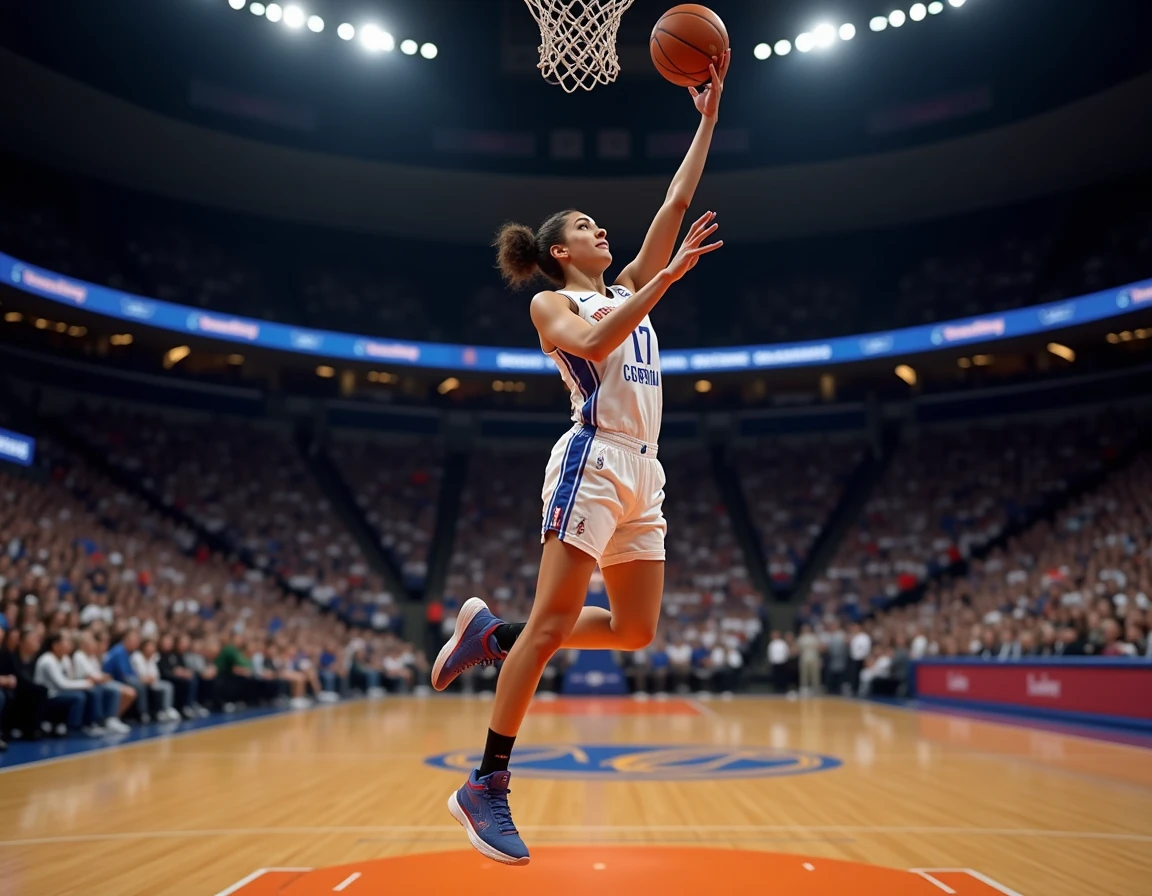
The FIFA World Cup, split between the United States, Mexico, and Canada, is not just played on the field. On the broadcasting side, FIFA has set new benchmarks for partnerships with streaming platforms, according to its own statement on broadcasting agreements.
This shift towards streaming is changing the viewer experience on several levels:
- Platforms offer alternative camera angles and real-time statistical data overlaid on the video, creating a different experience from traditional television.
- Global coverage extends to countries where linear television had no broadcasting rights, broadening the potential audience in regions like Southeast Asia or Sub-Saharan Africa.
- Access prices vary by market, with freemium models in some countries to maximize audience reach, and premium subscriptions in others.
This World Cup marks a turning point in how major sporting events monetize their audience. The traditional television advertising model now coexists with streaming subscription revenues, and the balance between the two evolves from one edition to the next.
Sports market in France in 2026: growth comes from services, not equipment
The sports market in France shows notable growth compared to 2025, driven by subscriptions to sports services, the digitalization of practices, and international events, not by the sale of shoes or jerseys.
Specifically, the segments that are growing the most are B2B services (data, fan engagement, hospitality). Trade shows like Fitex Paris 2026 reflect this trend, with exhibitors focused on digital solutions for gyms and clubs rather than traditional equipment.
What this changes for amateur athletes
Digitalization is not just for professionals. Performance tracking apps, streaming classes, and online communities are changing daily practice. Sports are increasingly consumed as a recurring service, on a monthly subscription model, whether for access to a connected gym or a video coaching platform.
The available data does not yet allow us to determine whether this trend benefits all types of practitioners or if it exacerbates a divide between connected athletes and those distanced from digital.
Paris, a global sports crossroads: beyond the Olympic Games
After the 2024 Olympics, Paris continues to attract international sporting events at an unusual pace. The Esports World Cup is the most spectacular illustration, but the city also hosts fitness competitions, stages of international circuits, and hybrid events combining sport and culture.
Paris is positioning itself as a permanent platform for hosting sporting events, rather than just a one-time host city. This strategy relies on the infrastructure inherited from the Games, but also on an attractiveness policy that explicitly targets organizers of esports competitions and non-Olympic formats.
The limit of this model is well-known: the saturation of the Paris event calendar. Between sports competitions, trade shows, and cultural events, the capital’s hotel and logistical capacity will be put to the test during the summer of 2026.
Sports trends 2026: what deserves real attention
Among the mass of information circulating about trends in the sports world, three dynamics stand out for their structural impact:
- The convergence of sports and esports is accelerating, driven by prize money that rivals that of traditional physical competitions.
- The economic model of sports is shifting towards services and digital, with an increasing share of revenue generated outside of ticketing and merchandising.
- Major metropolitan areas are investing in the permanent hosting of sporting events rather than in one-off bids, changing the global geography of sports.
These three axes are not predictions. They are already underway and producing measurable effects on the 2025 and 2026 seasons. The question for the coming months is about their sustainability: is the growth of the French market sustainable without new major events scheduled after 2026? Will investments in esports withstand a potential return of competition to Riyadh? Upcoming sporting events will provide more clarity.