Beauty trends refer to the dominant directions in skincare, makeup, and cosmetic formulation over a given period. They result from a convergence of regulatory developments, technical innovations, and changes in consumer behavior. In 2026, several movements are reshaping the market, with a common point: the end of vague promises in favor of tangible evidence about products.
European Cosmetic Regulation: What Changes for Beauty Products
The European regulatory framework profoundly alters how brands formulate and present their cosmetics. The European Union has reassessed certain sunscreens, notably homosalate, and now imposes stricter testing to ensure the photo-stability and actual UVA/UVB protection displayed on packaging.
This regulatory pressure directly affects hybrid products that combine makeup and SPF (mists, tinted sticks, protective foundations). In the UK, several brands have been reprimanded for misleading SPF claims on social media. The distinction between a tinted treatment with a supplementary filter and a primary photoprotection has become a compliance issue, not just a marketing one.
To keep up with the latest news on the Mes Conseils Beauté website, these regulatory developments deserve particular attention: they condition the reformulation of entire ranges and modify the claims allowed on packaging sold in Europe.
The discourse of brands evolves accordingly. Vague slogans give way to detailed information about carbon footprint, recyclability, and the origin of ingredients. This shift is not merely cosmetic: it is mandated by the legal framework.
Summer 2026 Makeup Trends: Lightweight Textures and Dominant Blush
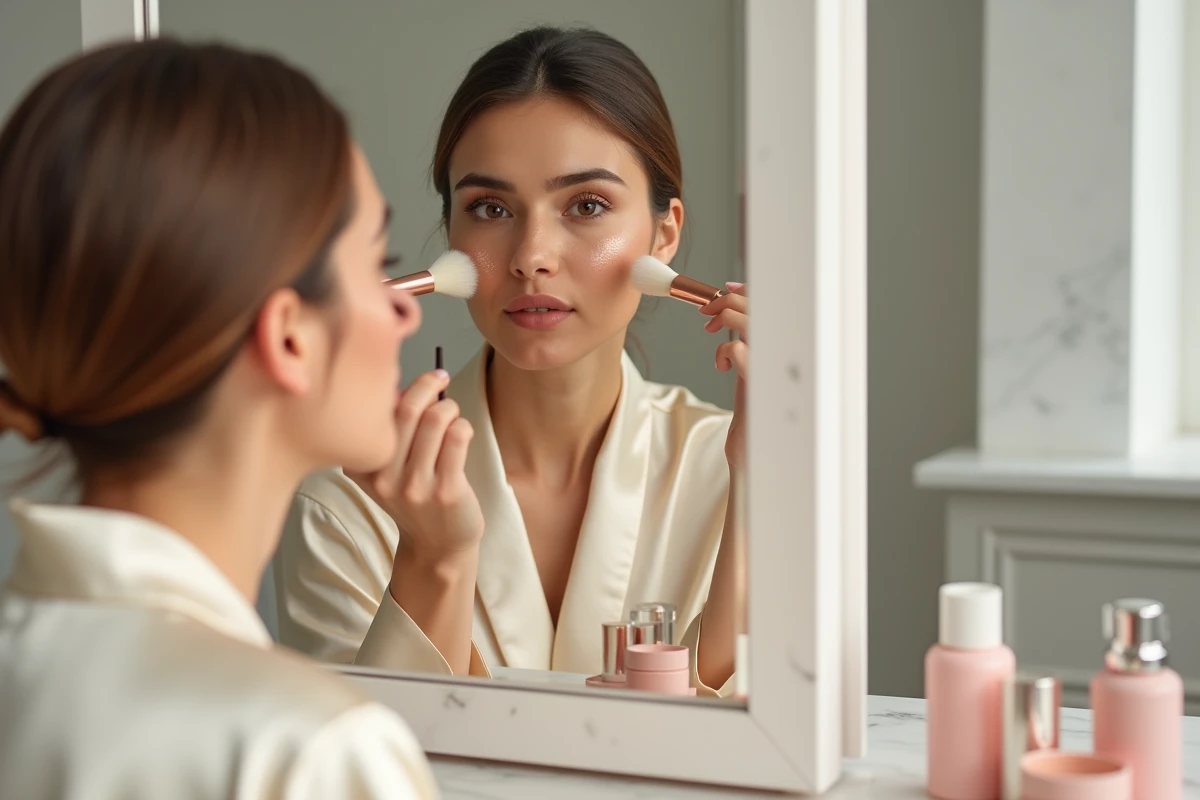
The makeup of summer 2026 confirms a trajectory initiated in recent years: the search for fine, breathable, and modulable textures. The blush remains the central piece of looks, worn high on the cheekbones in cream or liquid finishes rather than powder.
Foundations are declining in favor of lightweight tinted treatments, often enriched with moisturizing actives. This trend responds to a dual demand: a natural finish suitable for high heat and a simplified routine that merges skincare and makeup.
- “Second skin” textures dominate launches, with formulas that blend seamlessly without visible demarcation on the skin
- Warm colors (peach, terracotta, coral) replace cool shades on lips and cheeks
- Multifunctional products (one stick for lips, cheeks, and eyelids) are progressing in the ranges of Dior and other brands
The “healthy glow” makeup often highlighted in beauty content is not just an aesthetic. It reflects a technical shift towards formulations closer to skincare, where the boundary between decorative cosmetics and skincare products blurs.
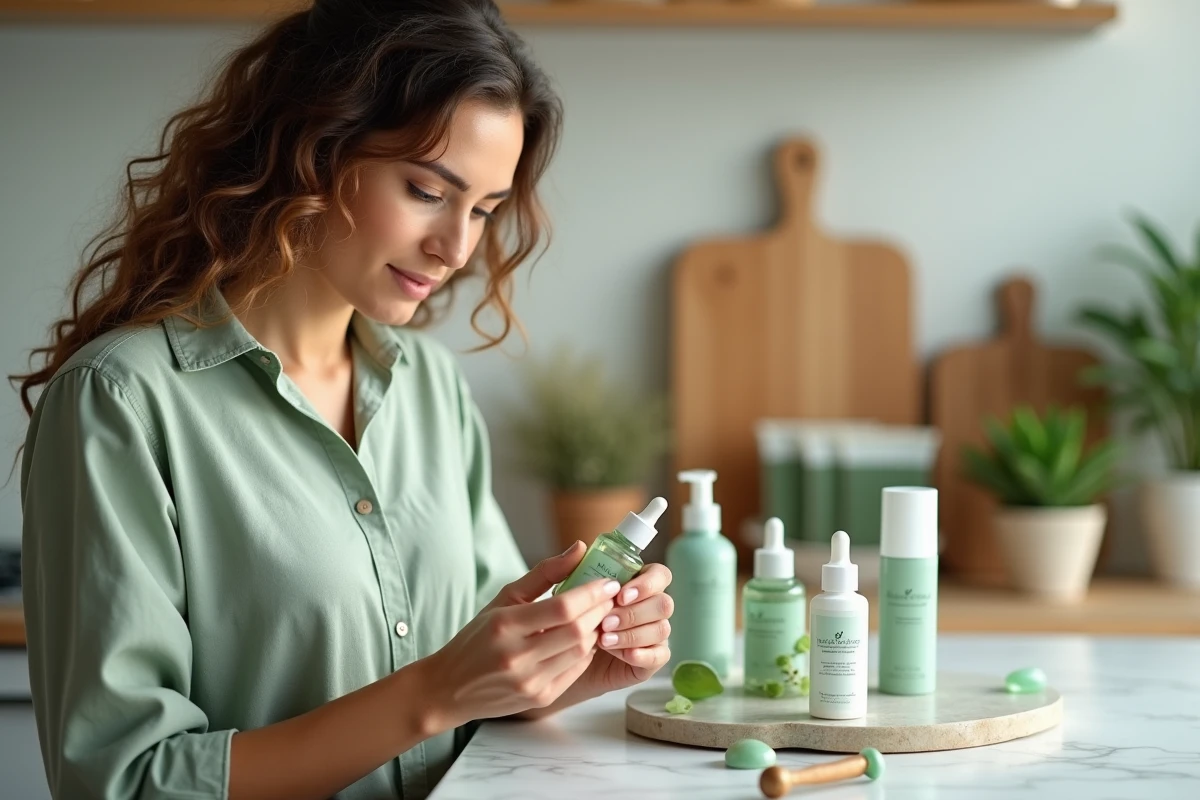
Clean Beauty and Sustainability: Beyond the Slogan
Clean beauty refers to products formulated without controversial ingredients, with clear traceability of components. The term remains vague in the absence of a unique regulatory definition, but consumer expectations are becoming clearer.
What distinguishes 2026 from previous years is the shift from a discourse centered on the absence of ingredients (“paraben-free,” “silicone-free”) to a discourse on positive proof. Brands that gain credibility detail their supply chains, publish verifiable carbon assessments, and specify the actual recyclability rate of their packaging.
Sustainability in cosmetics is no longer limited to a marketing argument. New European requirements for environmental labeling push industry players to document every step, from raw material to finished product. Brands that do not adapt risk regulatory sanctions, not just a loss of image.
Skincare: The Convergence Between Cosmetics and Health
The boundary between cosmetic care and dermatological approach is narrowing. Consumers are looking for products whose actives are documented by clinical data, not just by influencer testimonials. The terms “skintellectual” or “skincare science” reflect this demand for beauty based on an understanding of skin mechanisms.
Concretely, this convergence manifests through several developments in skincare products:
- Serums concentrated in targeted actives (stabilized retinol, niacinamide, peptides) represent a growing share of launches
- Brands are increasingly communicating about the testing protocols used to validate the effectiveness of their treatments
- Routines of “fewer products, better chosen” are gaining ground against ten-step protocols inherited from first-generation K-beauty
Age and skin type are becoming formulation criteria rather than mere marketing segmentation arguments. Ranges are structured around documented skin needs (weakened skin barrier, hyperpigmentation, chronic dehydration) instead of arbitrary age brackets.
This approach also modifies the role of makeup: a foundation is no longer judged solely on its coverage or wear but on its compatibility with an active skincare routine. Formulations that disrupt the skin barrier are losing ground to those that preserve it.
The cosmetic market in 2026 is structured around a demand for transparency that affects both formulation and communication. Current beauty trends are not just about colors or textures: they reflect a stricter regulatory framework and consumers who are better informed about the actual composition of what they apply to their skin.