
France’s vehicle fleet is aging, sales of new electric cars are rising, but older combustion-engine vehicles still dominate the roads. As low-emission zone (LEZ) rules vary from one city to another and fleet renewal takes years, the everyday question takes on a different shape: should you keep your car, invest in repairs, or make the switch to electric?
Combustion-engine vehicles versus electric car sales: the gap that matters
Electric cars account for a significant share of recent new registrations. Yet, as of January 1, 2026, they make up only a small fraction of vehicles on the road. This gap between what dealerships showcase and what fills residential parking lots puts things into perspective.
The SDES (Statistical Data and Studies Department) scenario shows that accelerating the removal of combustion-engine vehicles from the fleet would increase the share of electric cars over time. In other words, how long people keep their combustion-engine cars matters just as much as the range of new models available in the transition. Motorists who follow trends through Actu Buzz’s automotive section can see how far there is still to go.
| Criteria | Keep and repair an older vehicle | Switch to electric |
|---|---|---|
| Upfront cost | Occasional repairs, variable costs | High purchase price, even with an eco-bonus |
| Access to LEZs | Restricted depending on the Crit’Air sticker and city | Unrestricted in all current LEZs |
| Routine maintenance | Frequent for an aging vehicle | Reduced (fewer mechanical wear parts) |
| Range | Extensive network of gas stations | Depends on the model and charging network |
| Environmental impact while driving | CO2 emissions while driving | Zero local emissions while driving |
This table does not make the decision for drivers. It lays out the factors to weigh based on budget, journeys, and place of residence.

LEZs and Crit’Air stickers: why you need to check each city
It would be a mistake to treat LEZs as a single, nationwide ban. Boundaries, hours, permitted Crit’Air categories, and exemptions vary between cities. A Crit’Air 3 vehicle may be allowed to drive freely in one urban area and banned in another.
Enforcement methods also differ. Some cities have introduced automatic number plate recognition systems, while others still rely on occasional checks. For drivers crossing several urban areas in a single day, the only reliable approach is to check local regulations before setting off.
What to check before every trip into an LEZ
- Your vehicle’s Crit’Air category and the categories allowed in your destination city (thresholds change every year)
- Hours of operation: some LEZs apply only on weekdays, while others are in force around the clock
- Temporary or permanent exemptions (classic cars, professionals, people with disabilities), which may vary from city to city
This check takes just a few minutes and can help you avoid a fine or an unexpected detour. City websites and platforms dedicated to Crit’Air stickers bring this information together.
Maintaining an aging vehicle: steps that can delay replacement
Market data describes France’s vehicle fleet as aging. Maintenance, repairs, and parts represent a significant expense for households. Before considering a costly replacement, there are a few areas worth checking regularly.
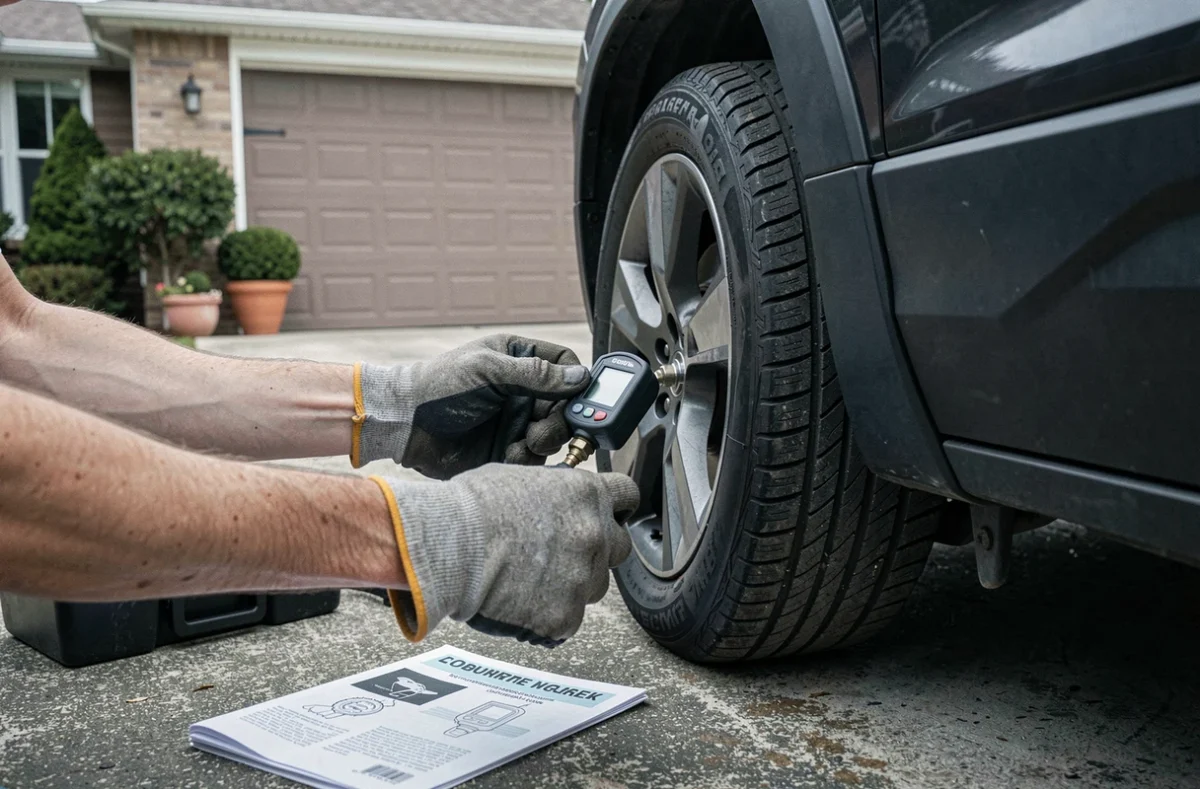
Keeping an eye on your tires is one of the most overlooked safety measures. Underinflated tires increase fuel consumption and lengthen braking distances. Checking tire pressure once a month and inspecting tread wear before each change of season costs little and pays off considerably.
Electronic diagnostics can detect faults that are invisible to the naked eye (sensors, fuel injection, cooling system), even in an older vehicle. Having a garage with diagnostic equipment check your car before its roadworthiness test can help you avoid unpleasant surprises.
Winter equipment and the Mountain Law: plan ahead for seasonal requirements
Every year, the Mountain Law requires winter equipment in the departments it covers. Tires bearing the 3PMSF marking meet this requirement, as do approved chains or snow socks. Checking your route and the equipment required locally is part of preparing for your journey, not just a response to the day’s weather.
For an older vehicle with tires nearing the wear limit, investing in a set of 3PMSF-marked winter tires is a safety choice that also extends the vehicle’s useful life by keeping it compliant for winter travel.
Keep, repair, or replace: practical decision-making criteria
The answer depends on three factors that every motorist can assess.
- The total cost of expected repairs over the next two years, compared with the monthly payment on a new or recent used vehicle
- How often you travel in LEZs: a rural driver who never enters a city faces a different level of urgency from someone who drives in one every day
- Access to a charging point at home or nearby, a factor that determines whether switching to electric is truly viable
A well-maintained vehicle that meets Crit’Air requirements remains practical for many uses. Replacement makes sense when the combined burden of recurring breakdowns, LEZ restrictions, and excessive maintenance costs outweighs the cost of switching.
Fleet renewal will not accelerate through new car sales alone. Each motorist’s decision to repair or replace determines the real pace of the transition. It is an individual calculation, but its effects can be seen nationwide.